
- News
- Community News
- Financial News

June 2026
In the pursuit of personal growth and financial success, it is easy to become laser-focused on traditional strategies and conventional wisdom.
May 2026
The human brain is powerful but subject to limitations. For this reason, we have evolved to have a collection of cognitive biases. These are systematic errors in thinking that occur when we process and interpret information around us, and they affect the decisions and judgments that we make.

March 2026
While most investors are happy to be as far removed from the technical details of their investment portfolios as possible, preferring to spend their time doing what they love, a subset of investors likes to get involved in the finer details.
January 2026
As advisers to many successful families, we come to observe the inner life workings of clients who range in age, background, careers, and levels of wealth. As a result, we get a good view of people and their habits. Over time, you learn that a person’s daily habits compound to determine much of the results we observe in their life. Yes, luck plays a part, but luck would have no impact without habits.

October 2025
The world’s population is believed to have crossed the eight billion number for the first time in late 2022. The previous milestone of seven billion was reached as recently as 2011. This spectacular growth is thanks, in part, to the remarkable progress we have made in the areas of infant mortality and longevity over the last few decades.

August 2025
Young investors often embark on their wealth creation journey because they have grasped the power of compounding returns in theory and want to see it in practice. However, the early stages of this journey can be deflating as the expected growth is slow in coming. You diligently contribute money to your investment pot, but the balance seems insignificant.
June 2025
Young investors often embark on their wealth creation journey because they have grasped the power of compounding returns in theory and want to see it in practice. However, the early stages of this journey can be deflating as the expected growth is slow in coming. You diligently contribute money to your investment pot, but the balance seems insignificant.

April 2025
There are two groups of people helping investors to make better financial decisions.
The first group comprises commentators, educators, journalists, and personal finance “gurus” on social media. Much of what they communicate is helpful, and they play a vital role in helping many grasp their finances. However, crucially, they are not on the hook for any advice they give or investment decisions made based on their “advice”.

February 2025
In theory, being a successful investor is easy. Spend less than you earn, invest the difference for three decades, and draw down what you need in retirement. The education, resources, and tools needed to do this have never been more accessible. We’re practically drowning in information.

December 2024
The financial and investing journey is similar to competitive sports. Both endeavours require you to make skilful decisions under pressure with a calm mindset, and very often, your biggest competitor is yourself.

November 2024
One of the common human conditions that bind us together is a desire for a better future, one in which we are independent, able to provide for our family’s needs, help others, and leave a financial legacy to the next generation

September 2024
The change of seasons is a welcome reminder that we’re not living in a never-ending now. Time marches on, and it waits for no one.

August 2024
Financial planning can be thought of as the art and science of making financial trade-offs under conditions of extreme uncertainty.

December 2022
We’re living through an uncertain time where taking pension advice from a qualified adviser is an absolute must.

November 2022
Jeremy Hunt used the Autumn Statement to try and calm markets and reset public finances with a series of tax rises achieved through cuts and freezes to allowances.

November 2022
With inflation and the cost of living sky rocketing, inheritance tax planning is not a subject many of us are talking about. Yet it’s a critical personal finance topic if you’re serious about protecting your family when you’re no longer around.

October 2022
It’s the time of year when parents’ thoughts return to their children’s education. It can be a gruelling time for your finances, especially as your kids progress through college to university and tuition fees come into play.

September 2022
In Friday’s mini-Budget, the Chancellor introduced several tax cuts aimed at addressing the rising cost of living and delivering future growth.

March 2022
The main surprises in the Spring Statement related to the increase in the National Insurance Primary Threshold (employees) and Lower Profits Limit (self-employed) to £12,570 from July this year, and the plan to reduce basic rate income tax to 19% in 2024.

March 2022
In light of the unfolding events in Ukraine, we wanted to let you know how we’re supporting you at this time. In the last two weeks we have seen worrying developments with the escalating crisis in Ukraine, and once again we’ve seen how quickly markets can move.

May 2020
Our very own armed forces veteran, Keith Jackson, is volunteering his time and expertise to participate in the Forces MoneyPlan initiative, giving free financial guidance to sick and injured armed forces personnel and veterans.
May 2020
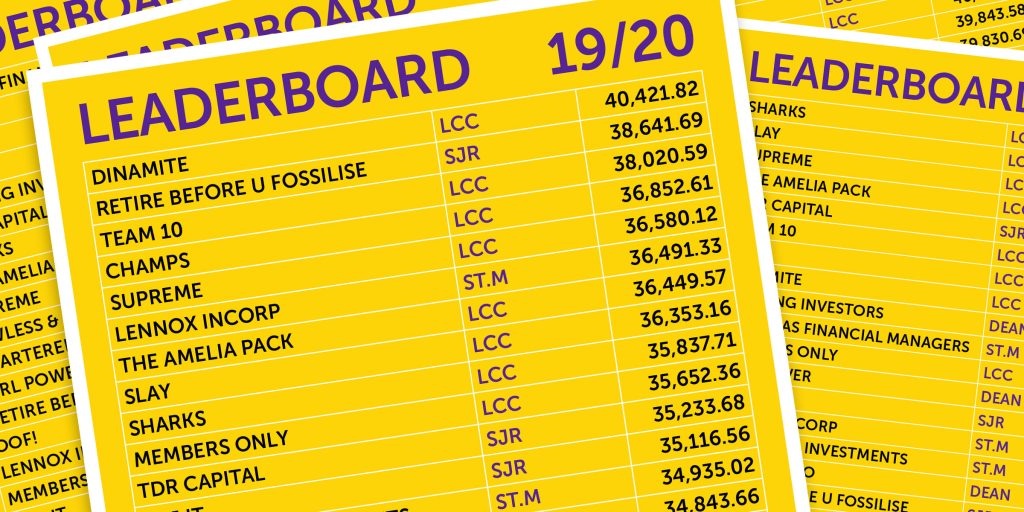
For the school year 2019/2020 Allied Financial Services visited 4 colleges to mentor the students on an imaginary pension fund investment game.

May 2020
Critical Illness Insurance is a policy that pays a tax-free lump sum if the policyholder contracts an illness listed on their policy, generally cancer, stroke, heart attack or total disablement. The policy is taken out over a specific term

May 2020
By 2026 there will be two million more pensioners than children, although this is good news overall, and we are looking forward to living longer, it does put an added financial strain on many.

May 2020
No one likes to think that something bad will happen to them. But each year close to a million people find themselves unable to work due to a serious illness or injury. If you couldn’t work due to a serious illness, how would you manage?
May 2020
Many new retirees find it a difficult transition in managing their finances during their retirement years, this is brought about by the knowledge they will have reduced earnings or panicking about how long their capital will last them.
- News
- Community News
- Financial News
June 2026
In the pursuit of personal growth and financial success, it is easy to become laser-focused on traditional strategies and conventional wisdom.
May 2026
The human brain is powerful but subject to limitations. For this reason, we have evolved to have a collection of cognitive biases. These are systematic errors in thinking that occur when we process and interpret information around us, and they affect the decisions and judgments that we make.
March 2026
While most investors are happy to be as far removed from the technical details of their investment portfolios as possible, preferring to spend their time doing what they love, a subset of investors likes to get involved in the finer details.
January 2026
As advisers to many successful families, we come to observe the inner life workings of clients who range in age, background, careers, and levels of wealth. As a result, we get a good view of people and their habits. Over time, you learn that a person’s daily habits compound to determine much of the results we observe in their life. Yes, luck plays a part, but luck would have no impact without habits.
October 2025
The world’s population is believed to have crossed the eight billion number for the first time in late 2022. The previous milestone of seven billion was reached as recently as 2011. This spectacular growth is thanks, in part, to the remarkable progress we have made in the areas of infant mortality and longevity over the last few decades.
August 2025
Young investors often embark on their wealth creation journey because they have grasped the power of compounding returns in theory and want to see it in practice. However, the early stages of this journey can be deflating as the expected growth is slow in coming. You diligently contribute money to your investment pot, but the balance seems insignificant.
June 2025
Young investors often embark on their wealth creation journey because they have grasped the power of compounding returns in theory and want to see it in practice. However, the early stages of this journey can be deflating as the expected growth is slow in coming. You diligently contribute money to your investment pot, but the balance seems insignificant.
April 2025
There are two groups of people helping investors to make better financial decisions.
The first group comprises commentators, educators, journalists, and personal finance “gurus” on social media. Much of what they communicate is helpful, and they play a vital role in helping many grasp their finances. However, crucially, they are not on the hook for any advice they give or investment decisions made based on their “advice”.
February 2025
In theory, being a successful investor is easy. Spend less than you earn, invest the difference for three decades, and draw down what you need in retirement. The education, resources, and tools needed to do this have never been more accessible. We’re practically drowning in information.
December 2024
The financial and investing journey is similar to competitive sports. Both endeavours require you to make skilful decisions under pressure with a calm mindset, and very often, your biggest competitor is yourself.
November 2024
One of the common human conditions that bind us together is a desire for a better future, one in which we are independent, able to provide for our family’s needs, help others, and leave a financial legacy to the next generation
September 2024
The change of seasons is a welcome reminder that we’re not living in a never-ending now. Time marches on, and it waits for no one.
August 2024
Financial planning can be thought of as the art and science of making financial trade-offs under conditions of extreme uncertainty.
December 2022
We’re living through an uncertain time where taking pension advice from a qualified adviser is an absolute must.
November 2022
Jeremy Hunt used the Autumn Statement to try and calm markets and reset public finances with a series of tax rises achieved through cuts and freezes to allowances.
November 2022
With inflation and the cost of living sky rocketing, inheritance tax planning is not a subject many of us are talking about. Yet it’s a critical personal finance topic if you’re serious about protecting your family when you’re no longer around.
October 2022
It’s the time of year when parents’ thoughts return to their children’s education. It can be a gruelling time for your finances, especially as your kids progress through college to university and tuition fees come into play.
September 2022
In Friday’s mini-Budget, the Chancellor introduced several tax cuts aimed at addressing the rising cost of living and delivering future growth.
March 2022
The main surprises in the Spring Statement related to the increase in the National Insurance Primary Threshold (employees) and Lower Profits Limit (self-employed) to £12,570 from July this year, and the plan to reduce basic rate income tax to 19% in 2024.
March 2022
In light of the unfolding events in Ukraine, we wanted to let you know how we’re supporting you at this time. In the last two weeks we have seen worrying developments with the escalating crisis in Ukraine, and once again we’ve seen how quickly markets can move.
May 2020
Our very own armed forces veteran, Keith Jackson, is volunteering his time and expertise to participate in the Forces MoneyPlan initiative, giving free financial guidance to sick and injured armed forces personnel and veterans.
May 2020
For the school year 2019/2020 Allied Financial Services visited 4 colleges to mentor the students on an imaginary pension fund investment game.
May 2020
Critical Illness Insurance is a policy that pays a tax-free lump sum if the policyholder contracts an illness listed on their policy, generally cancer, stroke, heart attack or total disablement. The policy is taken out over a specific term
May 2020
By 2026 there will be two million more pensioners than children, although this is good news overall, and we are looking forward to living longer, it does put an added financial strain on many.
May 2020
No one likes to think that something bad will happen to them. But each year close to a million people find themselves unable to work due to a serious illness or injury. If you couldn’t work due to a serious illness, how would you manage?
May 2020
Many new retirees find it a difficult transition in managing their finances during their retirement years, this is brought about by the knowledge they will have reduced earnings or panicking about how long their capital will last them.
